 ≥99% Purity
 Third-Party Tested
 COA Available
 U.S.-Based
 Research Use Only

Recovery Research
Bluebonnet Peptides’ Recovery Research category brings together laboratory research materials associated with defined areas such as peptide signaling, cytoskeletal activity, cell migration, regulatory pathways, and multi-component research models. Each material has its own structure, stated amount, and documentation.



What Recovery Research Means in This Category
In this category, recovery research refers to laboratory investigation of cellular and biochemical processes under defined experimental conditions. Depending on the material and study design, researchers may examine peptide signaling, cytoskeletal organization, cell migration, regulatory pathways, or interactions between multiple peptide components.
The category name is organizational. It does not establish that a material produces recovery, healing, or any other clinical or consumer outcome. Findings associated with one material, model, or method should not automatically be applied to another.
Laboratory Research Areas Represented
Materials in this category are associated with several distinct research areas, including:
- Peptide-mediated signaling under controlled laboratory conditions
- Actin regulation and cytoskeletal dynamics
- Cell-migration and controlled in-vitro model research
- Neuropeptide and regulatory-pathway research
- Receptor-interaction and endocrine-signaling models
- Multi-peptide formulations studied as complete research materials
These areas are not interchangeable. Researchers should evaluate the identity, composition, analytical documentation, experimental model, controls, and reported endpoints relevant to the specific material.
Single Component Materials and Research Blends
The Recovery Research category contains both single-component materials and prepared blends. BPC-157, TB-500, and DSIP are listed as individual materials. Wolverine contains BPC-157 and TB-500, while Ipamorelin/CJC-1295 (No DAC) contains Ipamorelin and CJC-1295. Findings involving an individual component should not automatically be attributed to the combined formulation.
A blend should be evaluated as the complete formulation described on its product page. The total amount shown for a blend should not be interpreted as the amount of each component unless a component-level breakdown is provided.
Recovery Research Materials Available from Bluebonnet
Wolverine BPC-157 and TB-500
Wolverine is listed as a two-component blend containing BPC-157 and TB-500. The current page offers 10 mg and 20 mg total variants and provides a component-level breakdown for each. Review the selected variant and its available documentation before incorporating the material into a laboratory model.
TB-500
TB-500 is listed as a 5 mg single-component research material associated with laboratory investigation of actin regulation, cytoskeletal dynamics, and cell-migration models. Review the product page for current specifications and available documentation.
DSIP
DSIP is listed as a research peptide discussed in laboratory literature involving neuropeptide and regulatory-pathway models. Review the product page for current specifications and available documentation.
Ipamorelin/CJC-1295 (No DAC)
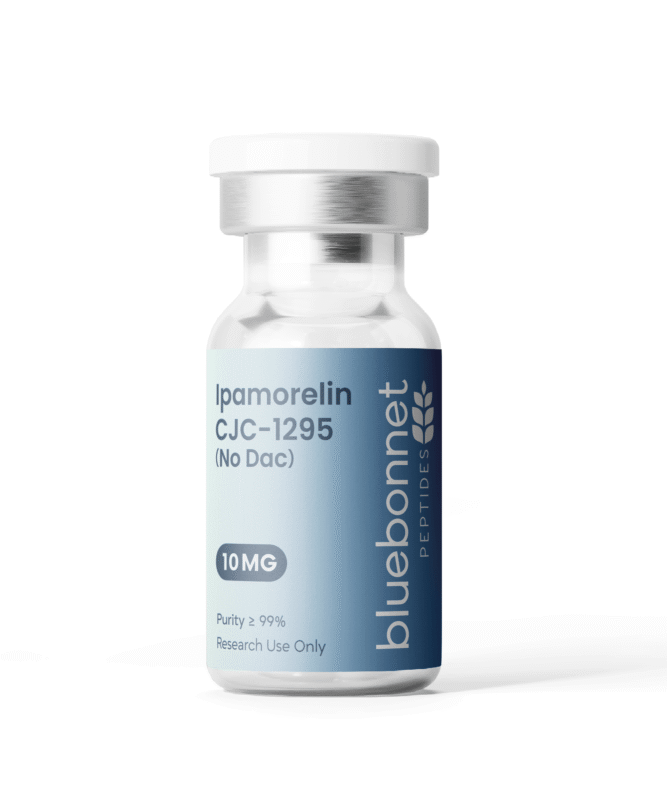
Ipamorelin/CJC-1295 (No DAC) is listed as a 10 mg two-component research blend containing Ipamorelin and CJC-1295 without DAC. The product page associates it with receptor-interaction and endocrine-signaling research. Review the component amounts and available documentation for the complete formulation.
BPC-157
BPC-157 is listed as a research peptide associated with laboratory studies of cellular signaling and experimental cell-migration models. Review the selected variant and available documentation before using it in an experimental design.
Comparing the Recovery Research Materials
Material | Format | Current Stated Amount | Research context listed |
|---|---|---|---|
Wolverine | BPC-157 and TB-500 blend | 10 mg or 20 mg total | Multi-component laboratory models |
TB-500 | Single component | 5 mg | Actin and cytoskeletal research |
DSIP | Single component | 5 mg | Neuropeptide and regulatory research |
Ipamorelin/CJC-1295 (No DAC) | Ipamorelin and CJC-1295 (No DAC) blend | 10 mg total displayed | Receptor and endocrine-signaling research |
BPC-157 | Single component | 5 mg or 10 mg | Cellular-signaling research models |
Product Testing and Documentation
Bluebonnet product pages provide purity-test or analytical-documentation links for the materials in this category. When reviewing a report, match the product name, selected amount, and available lot or batch information to the material being evaluated.
A reported purity value describes the result and method shown on that report. It should not automatically be interpreted as confirmation of sterility, clinical suitability, safety for human use, or analyses not specifically documented.
Recovery Research Frequently Asked Questions
What Does Recovery Research Mean on This Page
Recovery Research is an organizational category for materials associated with defined areas of laboratory investigation. The category name does not establish a therapeutic effect, clinical outcome, or suitability for human use.
Are All Materials in This Category Blends
No. BPC-157, TB-500, and DSIP are listed as single-component materials. Wolverine and Ipamorelin/CJC-1295 (No DAC) are listed as multi-component blends. Review each product page for the current formulation and stated amount.
Can Findings From One Material Be Applied to Another
No. Materials may differ in structure, composition, analytical documentation, and experimental context. Results from one material or model should not automatically be generalized to another.
How Should Researchers Compare a Blend With an Individual Peptide
Compare the complete formulation, component amounts, product specifications, analytical documentation, and relevance to the intended laboratory model. A blend is not interchangeable with either component by itself.
Does a Purity Result Confirm Every Characteristic of a Material
No. A result applies to the sample, method, analytes, and criteria described in the report. Review the complete document to determine what was measured and what the result does not address.
Where Can Researchers Find Testing Information
Use the purity-test or documentation link on the applicable product page. Confirm that the product, selected variant, and available lot or batch information correspond with the material being reviewed.
Are These Materials Intended for Human or Animal Use
No. Bluebonnet Peptides products are intended strictly for laboratory research. They are not intended for human or animal consumption, clinical use, diagnostic use, therapeutic application, cosmetic use, or performance use.
Research Use Only
Bluebonnet Peptides products are intended strictly for laboratory research purposes. They are not intended for human consumption, veterinary use, therapeutic, diagnostic, medical, cosmetic, or performance use. Researchers should review material-specific documentation and establish procedures appropriate to their laboratory and experimental design. Review the full Research Use Only policy.