 ≥99% Purity
 Third-Party Tested
 COA Available
 U.S.-Based
 Research Use Only

Metabolic Research
Bluebonnet Peptides’ Metabolic Research category organizes materials intended for controlled laboratory investigation of signaling pathways and cellular systems. The category name does not indicate suitability for human use or establish a therapeutic or consumer outcome.
What Metabolic Research Means in This Category
In this category, metabolic research refers to controlled laboratory investigation of signaling pathways and cellular systems involved in energy regulation, nutrient-related signaling, receptor activity, lipid metabolism, and endocrine communication. The specific research context depends on the material and experimental model.
Placement in this category does not establish a therapeutic effect, clinical outcome, weight-related result, or suitability for human use. Findings associated with one receptor system, material, or model should not automatically be generalized to another.
Receptor and Pathway Research
The materials in this category cover different receptor and pathway configurations. Some are investigated in models centered on one receptor family, while others are studied in dual- or triple-receptor signaling contexts.
Depending on the research material, laboratory studies may examine:
- GLP-1 receptor activity and peptide-mediated signaling
- Dual incretin-receptor signaling pathways
- Triple-receptor signaling involving GLP-1, GIP, and glucagon receptors
- Endocrine and cellular response pathways
- Laboratory models examining lipid-related signaling and peptide-mediated pathways
- Interactions among receptor activity, controls, and measured endpoints
When comparing studies or research materials, researchers should distinguish receptor targets, material identity, concentration, analytical method, model conditions, controls, and measured endpoints.
Reviewing Product Details and Documentation
Each product page lists the material’s name, SKU, and stated amount. Before using a material in an experimental design, review these details alongside the available certificate of analysis (COA) to confirm the research compound being evaluated.
Metabolic Research Materials Available from Bluebonnet
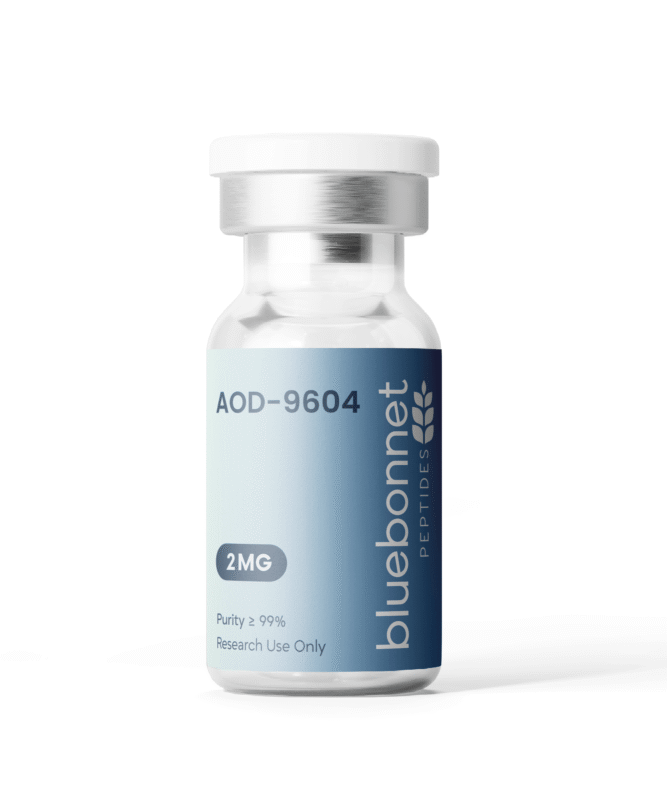
AOD-9604
AOD-9604 is listed as a research peptide associated with laboratory studies of peptide signaling and lipid-related pathways. Review the product page for current specifications and available documentation.
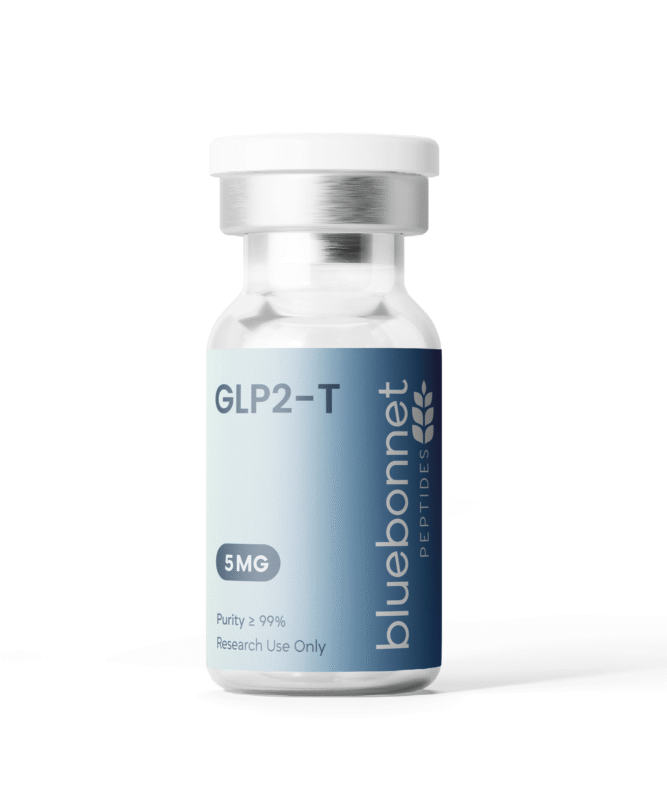
GLP2-T
GLP2-T is listed in 5 mg, 10 mg, and 15 mg variants. The current product page associates the material with dual incretin-receptor signaling, endocrine pathways, and receptor-interaction research. Review the selected variant and its available documentation.
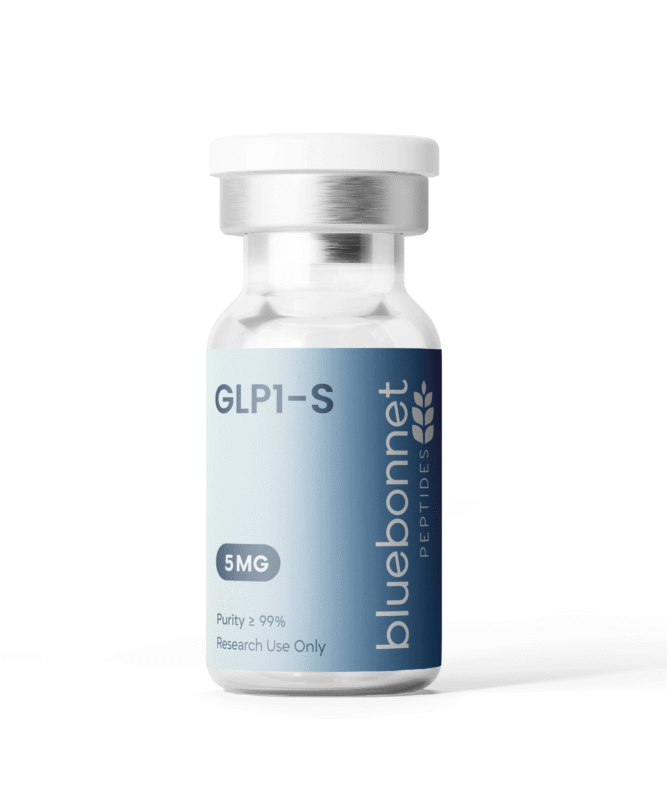
GLP1-S
GLP1-S is listed in 5 mg and 10 mg variants. The current product page associates the material with GLP-1 receptor activity, metabolic signaling, and endocrine and cellular-response research. Review the selected variant and its documentation.
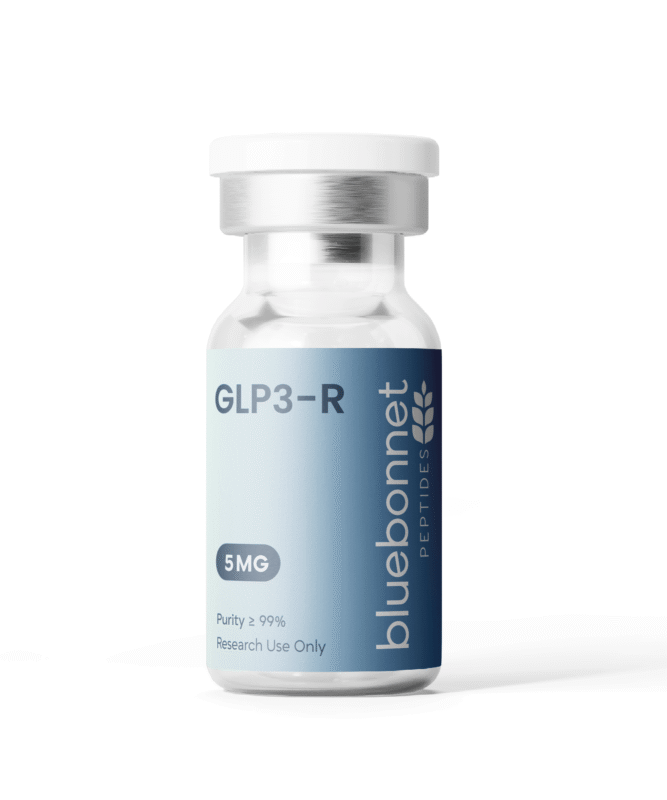
GLP3-R
GLP3-R is listed in 5 mg, 10 mg, 20 mg, and 30 mg variants. The current product page associates the material with triple-receptor signaling involving GLP-1, GIP, and glucagon receptor pathways. Review the selected variant and its documentation.
Comparing the Metabolic Research Materials
Material | Current Variants | Research Context Listed |
|---|---|---|
AOD-9604 | 2 mg | Metabolic and lipid-pathway research |
GLP2-T | 5 mg, 10 mg, 15 mg | Dual incretin-receptor signaling |
GLP1-S | 5 mg, 10 mg | GLP-1 receptor signaling |
GLP3-R | 5 mg, 10 mg, 20 mg, 30 mg | Triple-receptor signaling |
Product Testing and Documentation
Bluebonnet product pages provide purity-test or analytical-documentation links for the materials in this category. When reviewing a report, match the product name or code, selected amount, and available lot or batch information to the material being evaluated.
A reported purity value describes the result and method shown on that report. Do not automatically interpret it as confirmation of identity, quantity, sterility, clinical suitability, safety for human use, or analyses not specifically documented.
Metabolic Research Frequently Asked Questions
What Does Metabolic Research Mean on This Page
Metabolic Research is an organizational category for materials associated with defined signaling pathways and cellular systems studied under laboratory conditions. The category name does not establish a therapeutic or consumer outcome.
Do Materials in This Category Have the Same Receptor Profile
No. The listed materials are associated with different receptor and pathway configurations. Review the individual product page and relevant scientific documentation for the specific material being evaluated.
Why Do Some Products Use Coded Names
Bluebonnet currently uses coded storefront names for several materials. Researchers should match the code, SKU, stated amount, product page, and available analytical documentation before relying on a product record.
Can Findings From One Metabolic Research Material Be Applied to Another
No. Materials may differ in structure, receptor profile, stated amount, documentation, and experimental context. Results from one material or model should not automatically be generalized to another.
Does a Purity Result Confirm Material Identity or Every Tested Characteristic
Not automatically. A result applies to the sample, method, analytes, and criteria described in the report. Review the complete document to determine what was evaluated.
Where Can Researchers Find Testing Information
Use the purity-test or documentation link on the applicable product page. Confirm that the product, selected variant, and available lot or batch information correspond with the material being reviewed.
Are These Materials Intended for Human or Animal Use
No. Bluebonnet Peptides products are intended strictly for laboratory research. They are not intended for human or animal consumption, clinical use, diagnostic use, therapeutic application, cosmetic use, or performance use.
Research Use Only
Bluebonnet Peptides products are intended strictly for laboratory research purposes. They are not intended for human consumption, veterinary use, therapeutic, diagnostic, medical, cosmetic, or performance use. Researchers should review material-specific documentation and establish procedures appropriate to their laboratory and experimental design. Review the full Research Use Only policy.