 ≥99% Purity
 Third-Party Tested
 COA Available
 U.S.-Based
 Research Use Only

Longevity Research
Bluebonnet Peptides’ Longevity Research category brings together research materials associated with laboratory studies of mitochondrial signaling, cellular redox systems, coenzyme activity, and related biochemical pathways. The category includes both peptide and non-peptide compounds, each with distinct molecular characteristics and research contexts.


What Does Longevity Research Mean
In this category, longevity research refers to laboratory investigation of cellular and biochemical processes that may change over time or under experimental stress. Depending on the study design, researchers may examine mitochondrial signaling, oxidation-reduction reactions, enzymatic pathways, cellular stress responses, or interactions among these systems.
Cellular Processes Examined in Laboratory Research
Cellular research often focuses on defined pathways rather than a single broad outcome. Experimental models may be designed to observe how a compound relates to:
- Mitochondrial signaling and communication
- Oxidation-reduction reactions and redox balance
- Coenzyme-dependent reactions
- Cellular responses under defined experimental conditions
- Interactions among peptides, enzymes, cofactors, and membranes
The relevance of any pathway depends on the material, experimental model, analytical method, controls, and other study conditions. Findings associated with one model should not automatically be applied to another material or research setting.
Mitochondrial and Cellular Energy Research
Mitochondria participate in biochemical reactions and cellular signaling processes. Laboratory investigations may examine mitochondrial-derived peptides, mitochondrial membranes, redox reactions, and coenzymes within distinct experimental frameworks.
MOTS-C and SS-31 are peptides associated with mitochondrial research, although they are structurally distinct. NAD+ is a coenzyme used in oxidation-reduction reactions and other enzyme-mediated processes. Do not treat these materials as interchangeable simply because they appear in the same research category.
Oxidative Stress and Redox Research
Redox research examines electron-transfer reactions and related cellular systems under defined laboratory conditions. Glutathione is a tripeptide studied as part of cellular redox systems, while NAD+ is an oxidized coenzyme involved in many enzyme-catalyzed oxidation-reduction reactions.
Inclusion in this research area does not establish that a material will produce the same findings across different experimental models. Researchers should evaluate the specific compound, analytical method, comparison conditions, and reported endpoints used in the source study.
Compounds in the Longevity Research Category
B12 Cyanocobalamin
Cyanocobalamin is a synthetic form of vitamin B12 and is classified as a corrinoid compound. Review the individual product page for current specifications and available documentation.
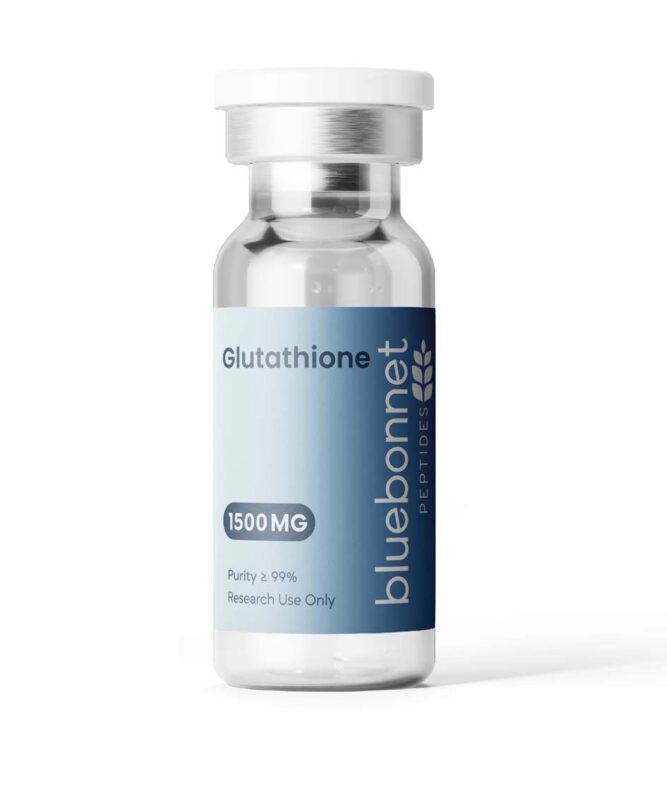
Glutathione 600 mg
Glutathione is a tripeptide composed of glutamate, cysteine, and glycine. It is associated with laboratory investigation of cellular redox systems. Review the individual product page for current specifications and available documentation.
MOTS-C
MOTS-C is a mitochondrial-derived peptide encoded within mitochondrial DNA. It is associated with laboratory investigation of mitochondrial signaling. Review the individual product page for current specifications and available documentation.
NAD+
NAD+ is the oxidized form of nicotinamide adenine dinucleotide. It is a coenzyme involved in oxidation-reduction reactions and other enzyme-mediated cellular processes. Review the individual product page for current specifications and available documentation.
SS-31
SS-31 is a synthetic tetrapeptide associated with laboratory investigation of mitochondrial interactions and membrane-related processes. Review the individual product page for current specifications and available documentation.
Comparing the Longevity Research Materials
Material | General Classification | Research Context Described on This Page |
|---|---|---|
B12 Cyanocobalamin | Corrinoid compound | Cobalamin-dependent and coenzyme-related laboratory processes |
Glutathione | Tripeptide | Redox systems and oxidative-stress research models |
MOTS-C | Mitochondrial-derived peptide | Mitochondrial signaling research models |
NAD+ | Oxidized coenzyme | Oxidation-reduction and enzyme-mediated cellular processes |
SS-31 | Synthetic tetrapeptide | Mitochondrial and membrane-related laboratory research |
Product Testing and Documentation
Bluebonnet provides available purity reports or analytical documentation through the applicable individual product pages. When reviewing documentation, match the product name and available lot or batch information to the material you are evaluating.
A reported purity value describes the result and method shown on that report. Do not interpret it as confirmation of sterility, clinical suitability, safety for human use, or tests not specifically documented.
Longevity Research Frequently Asked Questions
Are All Materials in This Category Peptides
No. The category includes different material types. MOTS-C and SS-31 are peptides, glutathione is a tripeptide, NAD+ is a coenzyme, and cyanocobalamin is a corrinoid form of vitamin B12.
Why Are These Materials Grouped Together
They are grouped by overlapping areas of laboratory research, including mitochondrial signaling, redox reactions, coenzyme activity, and cellular responses to experimental conditions. Placement in one category does not mean the materials have the same structure or function.
What Does the Longevity Research Category Name Mean
The category organizes materials associated with specific areas of laboratory investigation. Placement in this category does not establish a therapeutic, clinical, or consumer outcome.
How Should Researchers Compare Products in This Category
Begin with the material’s identity, classification, product specifications, available analytical documentation, and relevance to the intended laboratory model. Researchers should also evaluate the methods and limitations of any external study they consult.
Where Can Researchers Find Testing Information
Use the purity-test or documentation link shown on the applicable Bluebonnet product page. Confirm that the product and available lot or batch information correspond with the material being reviewed.
Are These Products Intended for Human or Animal Use
No. Bluebonnet Peptides products are intended strictly for laboratory research. They are not intended for human or animal consumption, clinical use, diagnostic use, or therapeutic application.
Research Use Only
Bluebonnet Peptides products are intended strictly for laboratory research purposes. They are not intended for human consumption, veterinary use, therapeutic, diagnostic, medical, cosmetic, or performance use. Researchers should review material-specific documentation and establish procedures appropriate to their laboratory and experimental design. Review the full Research Use Only policy.